


-

Add: HeBei ShengShi HongBang Cellulose Technology CO.,LTD.
-

Email
13180486930@163.com -

CONTACT US
+86 13180486930
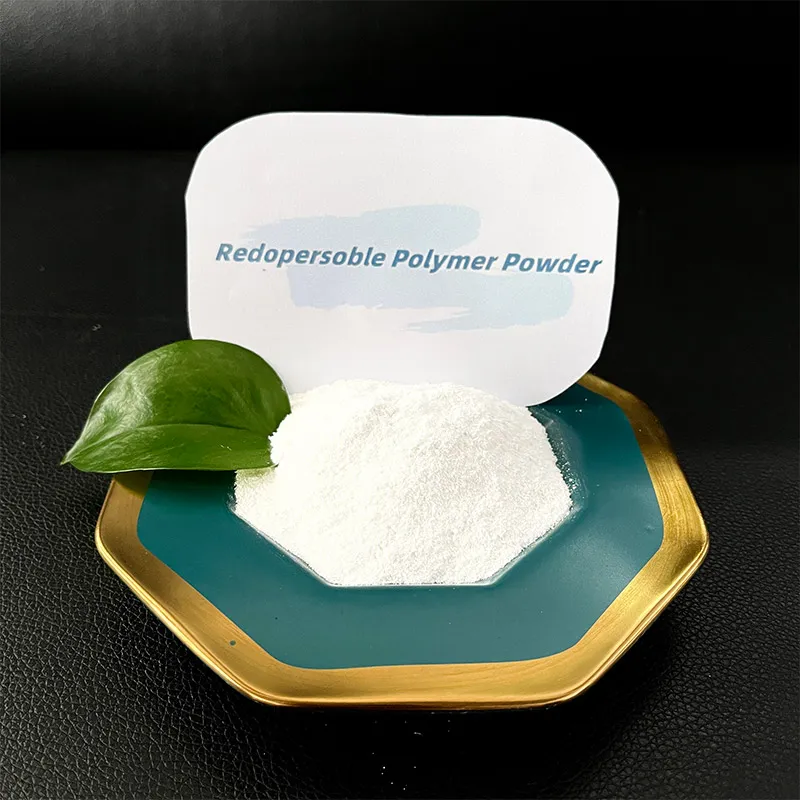
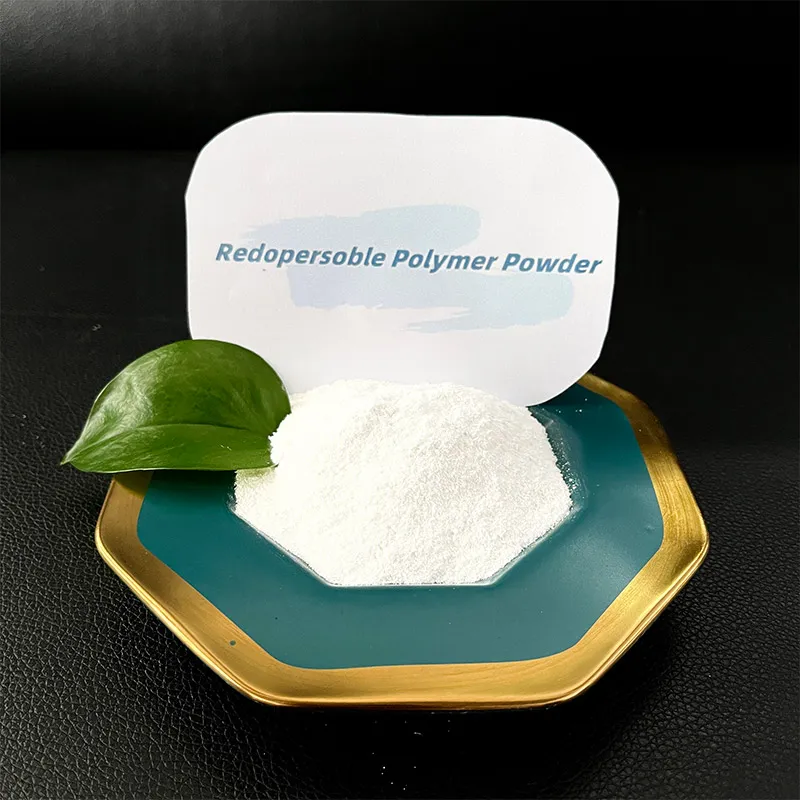

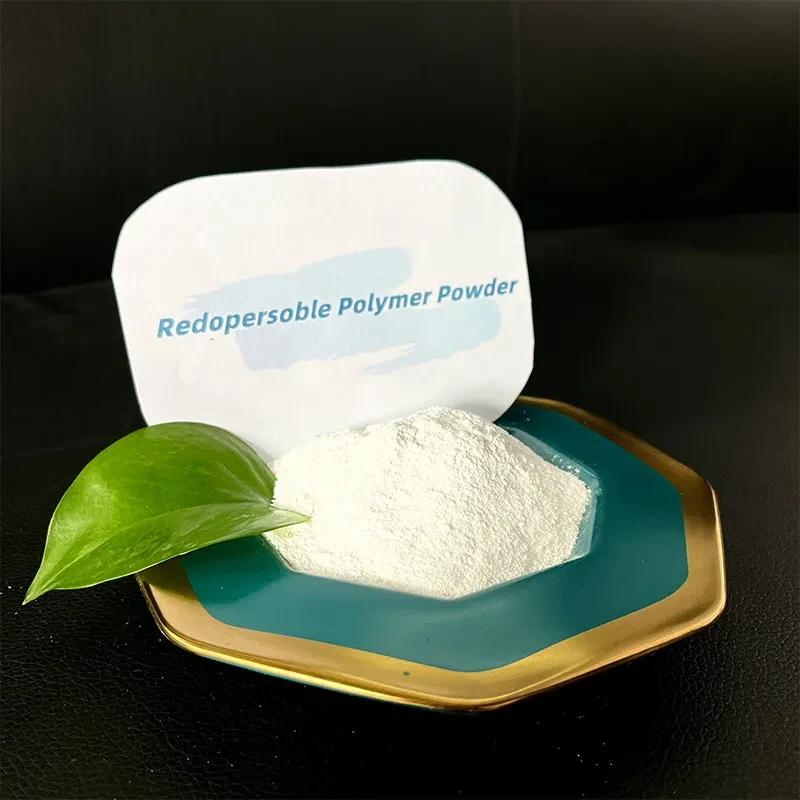


Understanding Redispersible Emulsion Powder: A B2B Perspective In the realm of modern construction and advanced material science, redispersible emulsion powder stands as a cornerstone additive, revolutionizing the performance of dry-mix mortars. This versatile polymer powder, primarily derived from vinyl acetate-ethylene (VAE) copolymers, transforms conventional building materials by enhancing their key properties. Its unique ability to re-emulsify upon contact with water allows it to function as a binding agent within cementitious and gypsum-based formulations, significantly improving adhesion, flexibility, water resistance, and overall durability. For B2B decision-makers and technical engineers, comprehending the intricacies of this material is crucial for optimizing product formulations, ensuring project longevity, and meeting stringent industry standards across diverse applications. Detailed Manufacturing Process of Redispersible Emulsion Powder The production of redispersible emulsion powder is a sophisticated chemical engineering process designed to encapsulate liquid polymer emulsions into a stable, free-flowing powder. This process ensures that the polymer retains its performance characteristics when re-dispersed in water at the point of application. The core materials typically include a liquid polymer emulsion (e.g., VAE emulsion), protective colloids (like polyvinyl alcohol), and anti-caking agents. Process Flow Schematic: 1. Emulsion Polymerization: This initial stage involves the polymerization of monomers (e.g., vinyl acetate and ethylene) in an aqueous medium to form a stable polymer emulsion. Specific catalysts, emulsifiers, and stabilizers are used to control the reaction and ensure desired polymer properties, such as glass transition temperature (Tg) and particle size. 2. Addition of Protective Colloids and Additives: The liquid polymer emulsion is then mixed with protective colloids (e.g., polyvinyl alcohol, cellulose ethers) and other functional additives. These colloids prevent irreversible agglomeration during the subsequent drying process and enable the powder's redispersibility. 3. Spray Drying: This is the most critical step. The prepared emulsion mixture is atomized into a fine mist within a hot air chamber. Rapid evaporation of water leaves behind solid polymer particles encapsulated by the protective colloid, forming a fine, spherical powder. The spray drying parameters (temperature, flow rate, nozzle type) are meticulously controlled to ensure optimal particle morphology and redispersibility. 4. Post-Treatment and Anti-Caking: After spray drying, the powder may undergo further processing, such as cooling. Anti-caking agents (e.g., mineral fillers like calcium carbonate or silicates) are then added to prevent the powder from clumping together during storage and transportation, ensuring its free-flowing nature. 5. Packaging: The final redispersible powder is typically packed in multi-ply paper bags with internal polyethylene liners to protect it from moisture and ensure a long shelf life. Testing Standards: Throughout this process, stringent quality control measures are applied, adhering to international standards such as ISO 9001 for quality management systems. Specific product performance is often evaluated against standards like EN 1504 (for concrete repair products), ASTM C1101 (for dry-mix base coat), and various national standards for bond strength, water retention, flexibility, and impact resistance. These tests ensure the product meets the demanding requirements of various target industries. Target Industries and Service Life: Redispersible latex powder finds extensive use in the construction industry, including infrastructure projects (bridges, tunnels), residential and commercial buildings, and specialized applications like external insulation and finish systems (EIFS), tile adhesives, self-leveling compounds, and repair mortars. The use of high-quality polymer powder significantly extends the service life of these applications by imparting superior adhesion, crack resistance, and durability, often contributing to design lives exceeding 25-50 years for structural elements when properly formulated. Advantages in Typical Application Scenarios: In an EIFS application, for instance, a VAE redispersible emulsion powder enhances the bond between insulation boards and the substrate, improves the flexibility of the base coat to resist thermal stress, and contributes to the system's overall water repellency, leading to energy saving benefits and superior corrosion resistance for the building envelope. Figure 1: Schematic of the Redispersible Emulsion Powder Manufacturing Process. Industry Trends and Market Dynamics for Redispersible Emulsion Powder The global market for redispersible emulsion powder is experiencing robust growth, driven by several key macro and micro-economic factors. Increasing urbanization, particularly in emerging economies, fuels demand for new construction and infrastructure development. Concurrently, a heightened focus on sustainable and green building practices is compelling manufacturers to develop environmentally friendly and high-performance building materials. This trend favors products that improve durability and extend the lifespan of structures, thereby reducing the environmental impact associated with frequent repairs and replacements. Technological advancements are leading to the development of specialized vae redispersible powder with enhanced functionalities, such as improved hydrophobic properties, higher flexibility at low temperatures, and superior open time for tile adhesives. The push for pre-mixed, factory-controlled dry mortars is also a significant trend, as these products offer consistent quality, reduced on-site labor, and minimized material waste. Geographically, Asia-Pacific remains the largest and fastest-growing market due to massive construction activities, while stringent building codes in Europe and North America continue to drive demand for high-performance additives. Figure 2: Global Growth Trends in Construction Additives. Technical Specifications: Redispersible Powder VAE Our Redispersible Powder VAE is engineered to meet rigorous performance requirements across a spectrum of construction applications. Understanding the technical parameters is essential for precise formulation and optimal end-product performance. Below are typical specifications for a high-quality VAE redispersible emulsion powder : Typical Specifications for Redispersible Powder VAE Parameter Unit Typical Value Test Method / Standard Appearance - White, free-flowing powder Visual Inspection Solid Content % ≥ 98.0 ISO 3251 Ash Content % 8.0 - 12.0 DIN 53185 Bulk Density g/L 450 - 650 DIN EN 12351 Particle Size (<250 μm) % ≥ 98.0 EN 12190 Glass Transition Temperature (Tg) °C 0 to +15 (adjustable) DSC (ASTM D3418) Minimum Film Forming Temperature (MFFT) °C 0 ISO 2115 pH Value (10% solution) - 7.0 - 9.0 Electrode Method Viscosity (10% solution) mPa·s 50 - 200 Brookfield Viscometer These parameters directly influence the performance characteristics such as adhesion strength, flexibility, water resistance, and workability of the final dry-mix mortar. For example, a lower Glass Transition Temperature (Tg) generally indicates higher flexibility, making the polymer powder suitable for applications requiring deformation resistance, such as tile adhesives on challenging substrates. Application Scenarios and Technical Advantages The versatility of redispersible emulsion powder allows its integration into a wide array of construction applications, each benefiting from its unique polymer-modified properties. This section highlights typical usage scenarios and the specific technical advantages imparted. Tile Adhesives (C1/C2 Grades): Incorporating redispersible latex powder significantly boosts the bond strength to various substrates (concrete, plasterboard, existing tiles), improves flexibility to accommodate thermal and structural movements, and enhances water resistance, making it ideal for wet areas and external applications. This leads to reduced tile cracking and delamination, extending the service life of tiled surfaces. External Thermal Insulation Composite Systems (ETICS/EIFS): As a critical component in base coats and renders, vae redispersible powder provides excellent adhesion to insulation boards (EPS, mineral wool), improves impact resistance, and imparts crucial flexibility to prevent cracking due to temperature fluctuations. Its hydrophobic characteristics also reduce water absorption, thereby enhancing the system's thermal performance and longevity. Self-Leveling Compounds (SLCs): In SLCs, polymer powder contributes to superior flow properties, allowing for a perfectly smooth and level surface without extensive manual labor. It also increases abrasion resistance, reduces shrinkage, and improves the bond to the subfloor, creating a durable base for various floor coverings. Wall Putties and Skim Coats: Enhances adhesion to diverse substrates, improves workability for smoother application, and increases the hardness and crack resistance of the final surface, preparing it ideally for painting or decorative finishes. Repair Mortars: Crucial for restoring structural integrity, redispersible emulsion powder improves the bond between old and new concrete, enhances compressive and flexural strength, and significantly increases resistance to carbonation and chloride ingress, extending the repair's effectiveness and preventing further degradation. The technical advantages of integrating this specialized redispersible powder include superior adhesion, improved flexural strength, enhanced water repellency, better freeze-thaw stability, increased abrasion resistance, and improved workability and open time for applicators. These benefits translate directly into higher quality construction, reduced maintenance costs, and prolonged structural integrity. Figure 3: Redispersible Emulsion Powder improving adhesion in construction. Vendor Comparison and Customized Solutions Selecting the right supplier for redispersible emulsion powder is paramount for maintaining consistent product quality and ensuring project success. While many vendors offer similar products, differentiation lies in product consistency, technical support, R&D capabilities, and the ability to provide customized solutions. When evaluating potential partners, B2B clients should consider more than just price per kilogram. Comparison of Key Vendor Attributes for Redispersible Emulsion Powder Attribute Standard Vendor Premium/Specialized Vendor Product Consistency Acceptable, with minor batch variations. Highly consistent, stringent QC, tight specification ranges. Technical Support Basic datasheets, limited formulation guidance. Dedicated technical team, on-site support, in-depth formulation advice. Customization Options Limited to standard grades. Extensive R&D, tailored solutions for specific application needs. Certifications ISO 9001 (basic). ISO 9001, ISO 14001, relevant product-specific certifications (e.g., CE, REACH compliance). Lead Time & Logistics Standard lead times, basic shipping. Optimized supply chain, flexible delivery, global distribution network. Customized Solutions: Tailoring Redispersible Powder for Specific Needs The ability to provide customized polymer powder formulations is a hallmark of a leading manufacturer. Customization can involve fine-tuning parameters such as: Glass Transition Temperature (Tg): Adjusting Tg to impart specific flexibility or hardness characteristics for different climatic conditions or substrate types. Particle Size Distribution: Optimizing for specific application needs, such as improved rheology for self-leveling compounds or better open time for tile adhesives. Hydrophobicity: Enhancing water repellency for waterproofing membranes or external renders. Additive Integration: Incorporating specialized additives during the manufacturing process to confer properties like improved freeze-thaw resistance or enhanced adhesion to challenging, non-absorbent substrates. Our company, with extensive years of service and an ISO 9001 certified manufacturing facility, prides itself on working closely with clients to develop tailored redispersible emulsion powder solutions that perfectly match their unique product requirements and market demands. Our authoritative testing methods and robust R&D ensure that custom formulations meet the highest performance and reliability standards. Figure 4: Customization in polymer powder manufacturing. Application Case Studies: Real-World Performance The efficacy of redispersible emulsion powder is best demonstrated through its successful implementation in demanding construction projects. These case studies highlight the tangible benefits and superior performance delivered. Case Study 1: High-Performance Tile Adhesive for a Luxury Hotel A leading hospitality group required a robust tile adhesive for the extensive tiling of a new luxury hotel, including high-traffic lobbies, bathrooms, and a spa area. The project demanded exceptional bond strength, flexibility to accommodate structural shifts, and high water resistance. Our customized VAE redispersible emulsion powder was integrated into a C2TES1 grade tile adhesive formulation. Post-application, tests confirmed a bond strength exceeding 1.5 N/mm² (far exceeding the C2 requirement of 1.0 N/mm²) and excellent deformability (S1 classification), ensuring zero tile detachment or cracking after over three years of intensive use. Customer feedback praised the product's consistent workability and the long-term integrity of the tiled surfaces. Case Study 2: ETICS for a Large-Scale Residential Complex in a Harsh Climate In a large residential complex situated in a region experiencing extreme temperature fluctuations (from -20°C to +40°C), an ETICS solution was critical for energy efficiency and façade protection. Our specialized hydrophobic redispersible powder was used in both the adhesive and base coat layers of the ETICS. After five years, the façade demonstrated exceptional resistance to freeze-thaw cycles, no visible cracks or delamination, and significantly reduced thermal bridging, leading to verified energy savings of approximately 25% for residents. This project underscores the durability and energy-saving potential of high-quality polymer-modified systems. Case Study 3: Concrete Repair Mortar for Industrial Flooring An automotive manufacturing plant required urgent repair of its heavily trafficked concrete flooring, which was subject to chemical spills and heavy machinery loads. A rapid-setting, high-strength repair mortar, formulated with our specific grade of redispersible emulsion powder , was chosen. The mortar achieved early strength development, allowing the factory to resume operations quickly. After two years, the repaired areas show no signs of degradation, cracking, or loss of adhesion, even under continuous industrial stress. This demonstrates the superior mechanical properties and long-term resilience imparted by our advanced polymer additives. Figure 5: Enhanced concrete durability with Redispersible Emulsion Powder. Trust & Support: FAQ, Lead Time, Warranty & Customer Service Frequently Asked Questions (FAQ) Q: What is the primary function of redispersible emulsion powder in dry-mix mortars? A: Its primary function is to enhance adhesion, flexibility, water resistance, cohesion, and workability of dry-mix mortars upon re-dispersion in water, acting as an organic binder. Q: How should redispersible powder be stored? A: It should be stored in its original, unopened packaging in a cool, dry place, protected from direct sunlight and moisture. Ideal temperature is below 30°C. Shelf life is typically 12 months under these conditions. Q: Can your VAE redispersible powder be customized for specific applications? A: Yes, absolutely. We offer extensive R&D capabilities to tailor parameters such as Tg, particle size, and hydrophobicity to meet unique formulation requirements and performance objectives. Q: Is your product environmentally friendly? A: Our VAE redispersible emulsion powder contributes to sustainable construction by enhancing durability and longevity of materials, reducing the need for frequent repairs and waste. We adhere to stringent environmental standards in our manufacturing processes. Lead Time & Fulfillment We maintain robust production capacities and an efficient supply chain to ensure timely delivery. Standard lead times for our redispersible powder products typically range from 7 to 14 business days, depending on order volume and destination. For large-scale projects or custom orders, lead times will be communicated clearly upon order confirmation. We work with reliable logistics partners to provide global distribution. Warranty Commitments Our redispersible emulsion powder products are manufactured under strict quality control, holding ISO 9001 certification. We warrant that our products meet the published technical specifications and are free from defects in material and workmanship when stored and used according to our recommendations. Any claims regarding product quality must be reported within a specified period from the date of delivery, and we commit to prompt investigation and resolution. Customer Support Our dedicated customer support team and technical experts are available to assist with product selection, formulation guidance, application advice, and troubleshooting. We offer comprehensive pre-sales consultation, during-sales support, and robust after-sales service, including technical data sheets, safety data sheets, and performance testing data. We are committed to fostering long-term partnerships through unparalleled support. References Ohama, Y. (1995). Polymer-Modified Mortars and Concretes. In Cement and Concrete Composites , 17(1), 3-15. Schroeder, F., & Hessel, K. (2014). Redispersible Polymer Powders: An Essential Component for Modern Dry Mix Mortars. In Construction and Building Materials , 69, 34-42. European Standard EN 12004: Adhesives for tiles - Requirements, evaluation of conformity, classification and designation. American Society for Testing and Materials (ASTM) Standards.
- 40000tons

Production
- 20+years

Experience
- 5000+㎡

Acreage

-

Rubber powder —the micronized particles produced from waste or virgin rubber—has emerged as an essential raw material across numerous industrial sectors. Key advantages such as environmental sustainability, versatility, and significant cost savings have rapidly enhanced its adoption. This guide navigates the current trends, rubber powder uses , rubber powder price evolution, technological specifications, leading vendors, and showcases detailed insights into product lines including the latest Rubber powder-821 . Access the official Rubber powder-821 here . Rubber Powder in High-Performance Coatings What is Rubber Powder? Grades, Sizes, and Specifications Rubber powder is produced by grinding rubber waste (tyres, industrial scrap, nitrile, SBR, etc.) into fine particles, typically ranging from 80 mesh (180 μm) to ultra-fine grades >200 mesh (75 μm or finer). The product may include nitrile rubber powder for oil resistance, rubber anti tack powder for improved processing, and talc powder for rubber as a compounding aid. Depending on origin and process ( cryogenic grinding, ambient milling, water-jet micronization ), rubber powder is categorized by particle morphology, purity, and technical indices such as ash content, bulk density, and surface area. Certification to ISO 9001:2015 and ANSI/ASTM D5603 is now standard for reputable manufacturers. Fully Automated Rubber Powder Production Line Industry Trends: Rubber Powder Uses & Market Outlook Application Key Performance Requirements Rubber Powder Grade Market Share (2023, %) Tire Manufacturing High tensile strength, abrasion resistance Fine rubber powder, 80–120 mesh 41.2 Rubber Coatings & Sealants Adhesion, flexibility, water/chemical resistance Ultra-fine, surface-treated 18.7 Plastics Modification Compounding efficiency, modulus enhancement Nitrile rubber powder, SBR types 12.4 Construction Materials Durability, anti-slip, impact resistance Fine & coarse blends 11.3 Road Asphalt & Bitumen Modifier Improved elasticity, rut-resistance 80 mesh rubber powder 9.4 Others (Animal Mats, Anti-vibration Pads, Sport Fields) Elasticity, shock absorption Coarse/fine blend 7.0 Manufacturing Process: Rubber Powder Uses Production Workflow Raw Material Selection (Tyre Scrap, Nitrile, SBR, etc.) ➜ Pre-Shredding (Mechanical cutting) ➜ Cryogenic/Ambient Milling (Powdering to 80–200 mesh) ➜ Magnetic Separation (Remove metals) ➜ Particle Classification (Sieve, Air Separator) ➜ Surface Treatment (Anti-tack, Blending, Additive) ➜ Packing & QC (ISO/ANSI Test) Key standards: ISO 9001:2015 (Quality Management), ASTM D5603 ; Typical industry lifespans for fine rubber powder coating : 8–15 years (in situ). Explore detailed production technology for rubber powder uses Fine Rubber Powder in High-Elastic Applications Rubber Powder-821 : Technical Specifications & Performance Rubber powder-821 is produced through advanced cryogenic separation, offering exceptional uniformity and stable particle morphology suitable for high-end engineering and polymer compounding applications. Material: 100% high-quality reclaimed SBR/Nitrile, ISO 9001:2015 certified Particle Size: 80–150 mesh (≤180–106 μm) Purity: ≥99% (low ash content <0.75%) Bulk Density: 0.38–0.51 g/cm³ Surface Treatment: Anti-tack proprietary blend Color: Deep black or customer-defined via custom formula Compliance: ISO 9001:2015, ASTM D5603, RoHS/FDA on request Service Life: 10–16 years (typical in coatings, asphalt, plastics) Rubber Powder Price & Grade Comparison Technical Parameter Table: Rubber Powder-821 Parameter Rubber Powder-821 Standard Rubber Powder Nitrile Rubber Powder Particle Size (mesh) 80–150 mesh 60–100 mesh 100–200 mesh Purity (%) ≥99.0 95.0–97.0 ≥98.5 Ash Content (%) <0.75 <1.6 <0.8 Bulk Density (g/cm³) 0.38–0.51 0.34–0.45 0.40–0.53 Elongation at Break (%) >320 250–310 >300 Surface Treatment Anti-tack, Customized Talc (optional) None/Custom Compliance ISO, ASTM, RoHS, FDA* ISO, ASTM ISO, ASTM, RoHS* Rubber Powder Price Analysis (2024) Rubber powder price is determined by feedstock source, mesh size, purity, and treatment (anti-tack, talc-coated, etc.). Typical ex-factory price (June 2024): $490–$850/MT for 100 mesh general grade; $950–$1150/MT for nitrile/fine powder specialties. Notably, certified grades for food contact or medical compounding command a 20-45% premium. Vendor Comparison: Leading Rubber Powder Production Line Manufacturers Manufacturer Key Product Line Strengths Certification Lead Time SSH Chemical (China) Rubber powder-821, Fine/Nitrile grades High purity, Custom surface, ISO/ASTM tested ISO 9001, FDA/RoHS* 7–20 days RubberGreen (France) EcoRub 110–140 mesh EU reach, BREEAM building certifications ISO 9001, BREEAM 15–30 days GENAN (Denmark) Superfine, Asphalt Modifier Global sourcing, Recycling focus ISO 14001, ISO 9001 10–28 days ADEKA (Japan) Nitrile Rubber Powder lines Automotive, Electronic uses ISO 9001, RoHS 21–35 days Customization & OEM Solutions Leading factories provide tailor-made rubber powder production line setups: mesh/fineness, surface-blending (talc powder for rubber, bio anti-tack agents), color, and bulk packaging according to application sector—be it petrochemical, water treatment, anti-slip floors or high-resistance road asphalts. Consult with SSH’s engineering team for engineered rubber powder uses OEM solutions . Application Case Study: Eco-Asphalt Reinforcement (Brazil 2023) Objective: Improve rutting resistance in tropical road surfaces. Implementation: SSH Rubber powder-821 5% (w/w) blended in polymer modified asphalt. Result: 26.7% reduction in rut depth after 30,000 load cycles (vs. control); 19% improvement in elastic modulus. Confirmed by ASTM D412 and ISO 37:2017 tests. Client Feedback: “Exceptional long-term flexibility and cost savings. After 18 months, virtually no surface fatigue.” For custom formulation support, refer to SSH technical team . Rubber Anti Tack Powder: Surface Performance Technical Advantages of Rubber Powder Uses Solutions Resource Circularity: 1 ton of rubber powder reduces landfill by 400kg, cuts carbon dioxide emissions by 510kg (source: ETRA Europe). Performance Boost: Up to 22% tensile strength gain in thermoplastic composites using nitrile rubber powder (Journal of Polymers, 2023). Cost Efficiency: Typical material cost saving: $120–$280/MT vs. virgin rubber/synthetic alternatives. Customization: Tailored granulation and surface chemistry to fit diverse rubber powder uses in coatings, plastics, roadways, and more. Regulatory Compliance: Products tested to ISO, ASTM, FDA, RoHS for chemical safety and international trade acceptance. Global Application: Real-World Feedback Petrochemical plants use SSH Rubber powder-821 for gaskets and seals, reporting a 35% improvement in lifecycle due to enhanced anti-aging properties (Client: CNPC, 2023). Water utility companies benefit from anti-corrosion linings, with a 14-year service record & zero failures in treated pipelines (Singapore PUB, ref.). Automotive factories deploy fine rubber powder for NVH (noise, vibration, harshness) reduction, credited by ISO/TS 16949 auditors. FAQs: Rubber Powder Uses Expertise & Application Guidance Frequently Asked Technical Questions 1. What raw materials are suitable for rubber powder production line ? Crumb rubber from end-of-life tires (ELTs), SBR, NBR, EPDM scrap, and select virgin compounds. For specialty nitrile rubber powder , high acrylonitrile NBR is used. 2. What is the typical particle size for high-value rubber powder uses ? Coatings and plastics prefer 80–150 mesh fine powder. Asphalt and construction: 30–80 mesh. Ultra-fine uses (200+ mesh) enable smooth compounding in adhesives. 3. How does rubber anti tack powder optimize processing? It prevents agglomeration during transport/storage and eases blending in high-shear mixers. Anti-tack agents may be food-safe (FDA compliant) per application. 4. Can talc powder for rubber be used in all compound types? Talc acts as a processing aid mainly in SBR/NBR formulations, improving flow and compatibility but is not always necessary for EPDM or pure synthetic applications. 5. What installation/compatibility standards apply to rubber powder uses in construction? Testing follows ASTM C117 (particle size), EN 13108-9 (bituminous mixes), and ISO 37 for mechanical performance. Compounds must pass local building/construction codes. 6. What quality tests do reputable factories conduct? ISO 9001:2015 process audits, ASTM D412 (tensile), EN 1279 (thermal aging), RoHS and, for food/health markets, FDA migration and contamination assays. 7. What is the expected delivery time and warranty for Rubber powder-821 ? Standard lead time: 9–18 days for Rubber powder-821 . Quality warranty minimum 18 months. Extended application support is available. Ordering, Delivery, and Customer Service Commitment MOQ: 500kg per grade (customizable for R&D). Lead time: 9–18 days typically; Expedited options for certified customers. Warranty: 18–24 months standard. Product traceability per ISO. After-sales service: Application guidance, test report provision, claim response within 72 hours (100+ international customers supported). Summary & Industry References Rubber powder uses are fast-evolving within global industries, supporting a spectrum of applications from infrastructure to advanced polymers. Preference for high-spec products like Rubber powder-821 is steered by performance, regulatory compliance, and lifecycle economy. With continued R&D and sustainable engineering, such materials will be critical for circular economy goals and technical innovation. Industry References & Further Reading: - Journal of Cleaner Production: "Recycled Rubber Powders in Bituminous Applications — Life Cycle Analysis" (2023) - European Tyre Recycling Association — Rubber Powder Applications - SpecialChem Polymer Additives: Rubber Powder as Compounding Additive Discover solutions tailored to your project: Contact SSH Rubber Powder Team →
-
Fiber reinforced polypropylene (FRP) represents a groundbreaking advance in material science, uniquely blending the adaptable properties of polypropylene with the enhanced strength and durability of fiber reinforcements. This composite material is revolutionizing industries ranging from automotive to electronics, demonstrating unmatched performance and reliability. Composite materials, such as FRP, are designed to provide superior traits beyond those offered by single components. Polypropylene, a thermoplastic polymer, is well-recognized for its versatility, lightweight characteristics, and resilience to fatigue. However, its strength and stiffness can be inadequate for certain demanding applications. This gap is effectively bridged by incorporating fibers such as glass, carbon, or aramid, resulting in a composite with significantly improved mechanical properties. In automotive markets, the pursuit of lightweight materials without sacrificing strength is relentless due to increasing regulatory demands for fuel efficiency and emissions reduction. Fiber reinforced polypropylene offers an ideal solution, presenting an attractive balance of weight and performance. Its application in vehicle components, such as bumpers, dashboards, and under-the-hood parts, contributes significantly to overall weight reduction, leading to improved fuel economy and lowered emissions. Additionally, the composite’s resistance to impact and high tensile strength ensures enhanced safety and durability—imperative factors in automotive design. Moreover, the sustainability of fiber reinforced polypropylene makes it a material of choice for manufacturers intent on reducing environmental impact. Polypropylene is one of the most recyclable polymers, and when combined with recyclable fibers, the resultant composite can often be recycled or reprocessed with minimal degradation of quality. This attribute supports a more sustainable lifecycle, aligning with global sustainability trends and demands from environmentally conscious consumers. In the construction industry, fiber reinforced polypropylene is rapidly gaining traction due to its outstanding resistance to corrosion, chemicals, and moisture—all critical considerations in the longevity and maintenance of building structures. Its non-conductive nature also renders it suitable for applications where electrical conductivity may pose safety risks. For infrastructure projects, this composite material is utilized in components like reinforcing bars (rebars), panels, and deckings, offering longevity and reduced maintenance costs compared to traditional materials like steel. fiber reinforced polypropylene From an engineering perspective, designing with fiber reinforced polypropylene requires profound expertise. Each application demands a tailored approach in determining the type, orientation, and volume fraction of the fiber to achieve desired mechanical properties. Factors such as thermal conductivity, dimensional stability, and surface finish also need careful consideration during product development to ensure efficient manufacturability and performance under operational conditions. Fiber reinforced polypropylene is also notable for its applications in the consumer electronics sector . As the demand for portable, durable, and aesthetically pleasing devices continues to grow, manufacturers find themselves turning to this composite for enclosures and structural components. Not only does it provide the necessary rigidity and resistance to wear, but it also allows for intricate molding which is critical in designing sleek modern gadgets. Its capacity for vibrant coloration and finesse in surface texture showcases the composite’s flexibility in meeting aesthetic and functional requirements simultaneously. The aerospace sector similarly benefits from FRP’s lightweight and strong characteristics. Being a crucial contributor to the reduction of aircraft weight, it enhances fuel efficiency and range—an essential objective in aviation engineering. Used in the production of interior panels, seat structures, and certain aerodynamic surfaces, fiber reinforced polypropylene not only meets the stringent safety and performance standards but also minimizes operational costs over an aircraft’s service life. In summary, the multifaceted advantages of fiber reinforced polypropylene are proving indispensable across diverse industries. Its capacity to merge strength with lightweight and recyclable properties positions it as a leader in future material innovation and sustainability efforts. Expertise in its application can significantly enhance performance, reduce costs, and support environmental objectives. As new fibrous materials and technological advancements continue to emerge, the potential applications and benefits of FRP will undoubtedly expand, further entrenching its place as an essential material in modern engineering and product design.
advantages
-

200000 Viscosities
Excellent product
We can produce pure products up to 200,000 viscosities
-

40000 tons
High yield
We don’t stop production all year round, and the annual output can reach 40,000 tons
-

24 hours
Quality service
We provide 24-hours online reception service, welcome to consult at any time
———— Inquiry Form
Schedule A services
-
 synthetic_polymer_fibres
Oct . 25, 2025
Retaine HPMC drops have emerged as a significant innovation in eye care, offering a unique blend of -
 fibra_manufacturada
Oct . 25, 2025
Methylcellulose tablets are rapidly gaining attention in both the medical and wellness industries du -
 fournisseur_d_hydroxypropylmethylcellulose
Oct . 25, 2025
In the world of pharmaceuticals and nutraceuticals, excipients play an essential role in the formula


